
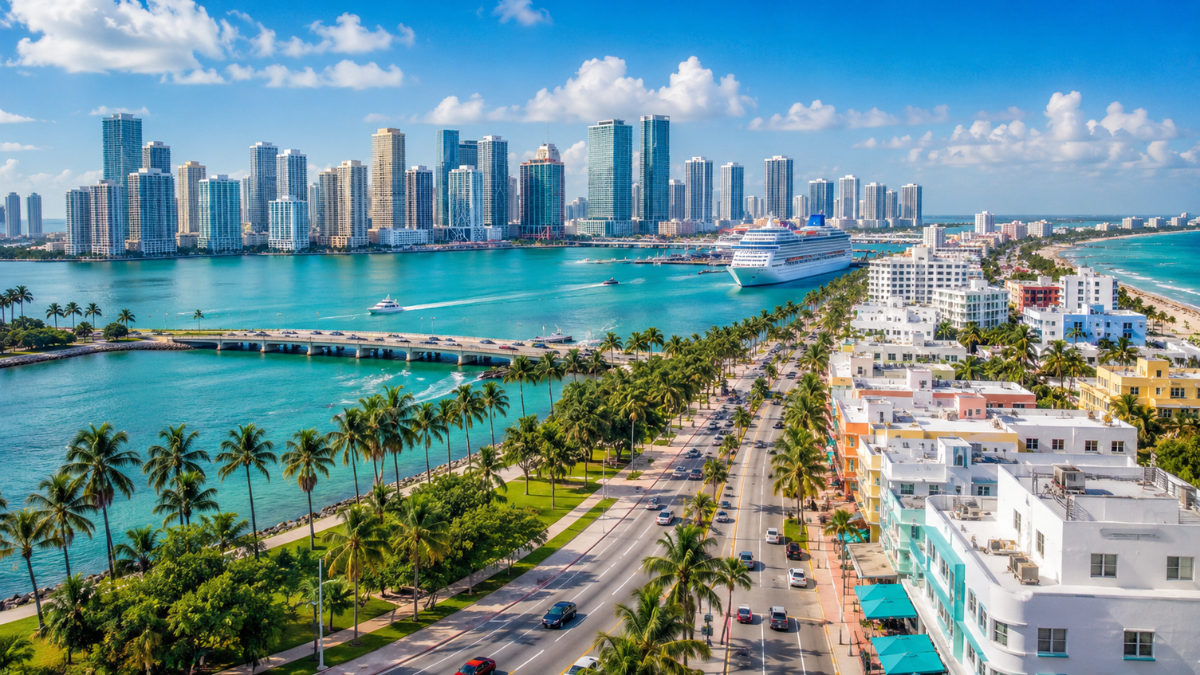
Miami is a coastal city in southeastern Florida, United States, known for its beaches, international connections, Latin American culture, and year-round tourism appeal. Miami Florida Verenigde Staten refers to Miami as a destination, city, and globally connected urban center within the United States.
Located along Biscayne Bay near the Atlantic Ocean, Miami combines natural beauty, modern architecture, historic neighborhoods, cultural diversity, and economic importance. While many people know Miami for South Beach and nightlife, the city’s identity is shaped by much more, including Indigenous history, immigration, international trade, arts, and environmental conservation.
What Is Miami Florida Verenigde Staten in Simple Terms?
Miami is a major city in southern Florida and the county seat of Miami-Dade County. It is one of the most recognizable cities in the United States because it connects tourism, business, culture, and transportation between North America, Latin America, and the Caribbean.
The city sits between the Atlantic Ocean and the Everglades, creating a unique combination of urban development and natural landscapes. The wider Miami metropolitan area includes several surrounding communities, including Miami Beach, Coral Gables, Hialeah, and other cities that together form one of Florida’s largest population centers.
Miami is famous for its tropical climate, coastal lifestyle, international business environment, diverse communities, and strong cultural connections. It is not only a vacation destination but also a major economic and cultural hub.
Where Is Miami Located and Why Is It Important?
Miami’s Geographic Location in Florida
Miami is located on the southeastern coast of Florida, near the southern tip of the state. The city developed around Biscayne Bay, a coastal area that connects the urban landscape with the Atlantic Ocean.
Its location has played a major role in its growth. Miami provides easy access to Caribbean destinations and Latin American markets, making it an important center for travel, trade, and cultural exchange.
The surrounding environment includes beaches, barrier islands, wetlands, and protected natural areas. The nearby Everglades create a contrast between Miami’s busy urban life and one of the most unique ecosystems in North America.
Miami’s Role as an International Gateway
Miami is often considered a bridge between the United States and Latin America. Its economy depends heavily on international connections, including tourism, finance, shipping, aviation, and trade.
Miami International Airport serves as a major transportation hub, particularly for flights connecting the United States with Latin America and the Caribbean. PortMiami is also one of the world’s leading cruise ports, supporting the city’s reputation as a global travel destination.
The History of Miami: From Indigenous Roots to a Global City
Early History and the Tequesta People
Before Miami became a modern city, the region was home to the Tequesta people, an Indigenous community that lived in southern Florida for centuries.
The waterways around Biscayne Bay and the Miami River played an important role in their daily lives. Fishing, transportation, and settlement patterns were closely connected to the coastal environment.
The name Miami is linked to earlier Indigenous terms associated with water and local communities. Over time, the area experienced major changes as European powers arrived and Florida became part of different political territories.
Spanish Florida and Early Development
Spanish influence shaped much of Florida’s early colonial history. After periods of Spanish and British control, Florida eventually became part of the United States in 1821.
During the 19th century, the area around Miami remained relatively small. Military activity, including Fort Dallas during the Seminole Wars, reflected the region’s strategic importance.
However, Miami’s transformation into a major city began when transportation and tourism infrastructure expanded.
How Henry Morrison Flagler Helped Build Modern Miami
A major turning point in Miami’s development came through businessman Henry Morrison Flagler and the expansion of the Florida East Coast Railway.
The railway connected Miami with other parts of Florida and encouraged tourism growth. Flagler’s investments helped create hotels, transportation networks, and infrastructure that attracted visitors seeking warmer winters.
Miami officially became an incorporated city in 1896. This moment marked the beginning of its transformation from a small settlement into an internationally recognized destination.
Miami’s Growth, Challenges, and Transformation
Miami experienced rapid growth during the Florida land boom of the 1920s. Real estate development expanded quickly, but speculation eventually collapsed and created economic challenges.
The city also faced natural disasters, including the destructive hurricane of 1926. Despite these setbacks, Miami continued to develop.
A major cultural transformation occurred after the Cuban Revolution in 1959. Large numbers of Cuban immigrants settled in Miami, creating a strong Cuban-American community. Their influence shaped the city’s language, food, neighborhoods, businesses, and cultural identity.
What Makes Miami Florida Verenigde Staten Famous?
World-Famous Beaches and Coastal Lifestyle
Miami’s beaches are among the city’s most recognizable attractions. South Beach, located in Miami Beach, is famous for its ocean views, restaurants, nightlife, and Art Deco architecture.
The coastal lifestyle attracts visitors who enjoy swimming, boating, water sports, and relaxing near the Atlantic Ocean.
However, Miami’s appeal is not limited to beaches. The city combines coastal tourism with arts, business districts, cultural neighborhoods, and international events.
Latin American Influence and Cultural Identity
Miami’s connection to Latin America is one of its strongest defining features. The city has a large Hispanic and Latino population, and Spanish is commonly spoken throughout many communities.
Little Havana represents the influence of Cuban culture through traditional restaurants, music, festivals, and local businesses. The neighborhood around Calle Ocho has become one of Miami’s most recognizable cultural areas.
This multicultural identity is one of the reasons Miami feels different from many other American cities.
Art, Architecture, and Entertainment
Miami has developed a global reputation for art and design.
The Art Deco Historic District in Miami Beach features hundreds of preserved buildings that represent the city’s architectural heritage. These colorful structures are among the most photographed parts of Miami.
Wynwood has become another major cultural destination. Known for murals, galleries, and creative spaces, Wynwood shows how Miami continues to transform older areas into artistic communities.
Events such as Art Basel Miami Beach have strengthened the city’s position as an international center for contemporary art.
Best Places to Visit in Miami Florida Verenigde Staten
South Beach and the Art Deco District
South Beach is one of the most popular areas for visitors because it combines beaches, restaurants, entertainment, and historic architecture.
Travelers who enjoy a lively atmosphere often choose this area because many attractions are within walking distance.
The Art Deco District provides an opportunity to explore Miami’s unique architectural style through historic buildings, guided tours, and cultural landmarks.
Little Havana: Miami’s Cuban Heart
Little Havana offers visitors a deeper understanding of Miami’s cultural history.
The neighborhood is known for Cuban cuisine, traditional coffee, music, local shops, and community events. Walking through Calle Ocho provides a closer look at the traditions that shaped modern Miami.
For travelers interested in food and culture, Little Havana is one of the city’s most meaningful experiences.
Downtown Miami and Brickell
Downtown Miami represents the modern side of the city. Brickell, often called Miami’s financial district, features skyscrapers, luxury residences, restaurants, and business centers.
This area is popular with business travelers and visitors who prefer an urban environment with easy access to shopping, dining, and entertainment.
Wynwood Arts District
Wynwood is one of Miami’s most creative neighborhoods.
Its street murals, galleries, restaurants, and independent businesses attract visitors interested in art and local culture.
The area demonstrates how Miami combines historic development with modern creativity.
Coral Gables and Coconut Grove
Coral Gables is known for Mediterranean-style architecture, beautiful streets, gardens, and historic attractions.
Coconut Grove offers a quieter atmosphere with waterfront areas, parks, restaurants, and a relaxed neighborhood feel.
These areas are suitable for travelers who want a slower-paced experience away from the busiest tourist zones.
Everglades National Park Near Miami
The Everglades provides one of the most unique natural experiences near Miami.
Visitors can explore wetlands, wildlife habitats, and outdoor trails. Activities such as airboat tours and nature walks allow travelers to experience Florida’s natural environment.
The National Park Service recognizes Everglades National Park as an important subtropical ecosystem with exceptional biodiversity.
Things to Do in Miami Florida Verenigde Staten
Miami offers experiences for different types of travelers.
Outdoor visitors can enjoy activities such as snorkeling, diving, kayaking, fishing, and sailing. The warm coastal waters make Miami a popular destination for marine activities.
Families can explore attractions such as Zoo Miami, Frost Science Museum, Miami Seaquarium, and other educational destinations.
Sports fans can experience professional teams including the Miami Heat, Miami Dolphins, Miami Marlins, and Inter Miami CF. Major events such as the Miami Open tennis tournament and Formula 1 Miami Grand Prix also attract international visitors.
Miami Climate and Best Time to Visit
Miami has a tropical climate with warm temperatures throughout the year.
The most comfortable period for many visitors is from December through May because temperatures are generally pleasant and rainfall is lower.
Summer brings hotter temperatures, higher humidity, and frequent storms. Visitors traveling during hurricane season should monitor weather updates and plan accordingly.
The best time to visit depends on personal priorities. Travelers seeking ideal weather may prefer winter and spring, while those looking for lower prices may consider less busy periods.
How to Travel to Miami Florida Verenigde Staten
Getting to Miami by Air
Miami International Airport is the primary airport serving the city and offers extensive domestic and international connections.
Fort Lauderdale-Hollywood International Airport is another option for visitors traveling to South Florida.
Traveling Around Miami
Transportation planning is important because Miami’s attractions are spread across different areas.
Rental cars provide flexibility, but traffic can be challenging during busy periods. Public transportation, ride-sharing services, and rail options can be useful alternatives depending on the destination.
Brightline provides passenger rail service connecting Miami with other Florida locations, including Orlando.
Arriving by Cruise Ship
PortMiami is one of the world’s most recognized cruise ports. Many travelers begin Caribbean cruises from Miami, making the city an important starting point for international vacations.
Miami Food, Culture, and Local Experiences
Miami’s food culture reflects its diverse population.
Cuban cuisine remains one of the strongest influences, with traditional dishes, coffee culture, and family-owned restaurants found throughout the city.
Beyond Cuban food, Miami offers Caribbean, Latin American, Asian, and international dining experiences.
Cultural events such as Calle Ocho Festival, Carnaval Miami, and Art Basel Miami Beach showcase the city’s combination of local traditions and global influence.
Where to Stay in Miami: Best Areas Explained
Choosing the right neighborhood can significantly improve a Miami trip.
South Beach is best suited for visitors who want beaches, nightlife, and a lively environment.
Brickell works well for business travelers and those interested in luxury hotels, restaurants, and modern city views.
Downtown Miami is convenient for museums, transportation, and urban attractions.
Coral Gables and Coconut Grove are better options for travelers looking for historic charm and a quieter atmosphere.
Miami Economy and Why the City Matters Globally
Miami’s importance extends beyond tourism.
The city has strong industries in hospitality, international finance, trade, healthcare, education, and real estate.
Its geographic position makes Miami an important connection point between markets in North America, South America, and the Caribbean.
Institutions such as the University of Miami and Florida International University contribute to education and research. Ocean-focused organizations connected with NOAA and the Rosenstiel School of Marine and Atmospheric Science highlight Miami’s importance in marine studies.
Common Mistakes Visitors Should Avoid in Miami
One common mistake is focusing only on beaches and missing Miami’s cultural neighborhoods. Areas such as Little Havana and Wynwood reveal a different side of the city.
Another mistake is choosing accommodation without considering location. Miami’s attractions are spread out, and staying far from planned activities can increase travel time.
Visitors should also prepare for humidity, traffic, and seasonal weather changes.
Miami Florida Verenigde Staten Travel Tips and Practical Advice
A successful Miami trip requires some planning.
Visitors should consider the season, choose accommodation based on their interests, and research transportation options before arriving.
Packing lightweight clothing, sunscreen, comfortable walking shoes, and weather-appropriate items can make the experience more comfortable.
The best trips usually combine famous attractions with local neighborhoods, outdoor experiences, and cultural activities.
Is Miami Florida Verenigde Staten Worth Visiting in 2026?
Miami remains one of the most distinctive cities in the United States because it combines natural beauty, cultural diversity, international business, and entertainment.
The city is ideal for travelers who want more than a traditional beach vacation. A visitor interested in history can explore neighborhoods and landmarks, while someone seeking relaxation can enjoy beaches and outdoor activities.
Miami’s future continues to be shaped by tourism, urban development, international business, and efforts to adapt to environmental challenges.
Conclusion
Miami Florida Verenigde Staten is more than a famous beach destination. It is a global coastal city where Caribbean culture, American business, historic communities, and natural environments come together.
The best way to experience Miami is to plan around your interests. Beach lovers may prefer South Beach, culture-focused travelers may enjoy Little Havana and Wynwood, while nature enthusiasts can explore the Everglades and nearby protected areas.
For anyone researching Miami, the key takeaway is simple: the city’s greatest strength is its variety. By understanding its neighborhoods, climate, history, and local character, visitors can create a more complete and rewarding Miami experience.
You May Also Like RN Fundamentals 2016 70 Questions
FAQs
What Is Miami Florida Verenigde Staten?
Miami Florida Verenigde Staten refers to Miami, a coastal city in southeastern Florida known for beaches, international business, Latin American culture, tourism, and its connection between the United States, the Caribbean, and Latin America.
Why Is Miami Famous Around the World?
Miami is famous for its beaches, South Beach lifestyle, Art Deco architecture, Cuban culture, cruise industry, nightlife, and multicultural communities. Its global reputation comes from the combination of tourism, business, and cultural influence.
Where Is Miami Located in the United States?
Miami is located in southern Florida along the Atlantic Ocean and Biscayne Bay, near the Everglades. Its location makes it a major gateway between North America, Latin America, and Caribbean destinations.
What Is the Best Time to Visit Miami?
The best time to visit Miami is generally from December to May when temperatures are more comfortable and rainfall is usually lower. Summer can offer fewer crowds but brings higher humidity, heat, and hurricane-season considerations.
Is Miami Expensive for Tourists?
Miami can be expensive, especially during peak travel periods when hotel prices, dining costs, and parking expenses increase. Travelers can reduce costs by choosing less central areas, visiting during shoulder seasons, and planning transportation carefully.
What Is the Difference Between South Beach and Brickell?
South Beach is mainly known for beaches, nightlife, and the Art Deco Historic District, while Brickell is Miami’s financial district with skyscrapers, luxury residences, restaurants, and business-focused attractions. The better choice depends on whether visitors prioritize coastal experiences or urban convenience.
Is Little Havana Worth Visiting in Miami?
Yes, Little Havana is worth visiting for travelers interested in Cuban culture, food, music, and Miami’s immigrant history. It provides a cultural experience that is different from Miami’s beach-focused attractions.
Can Visitors Explore the Everglades From Miami?
Yes, visitors can explore Everglades National Park from Miami through guided tours, driving routes, and outdoor activities such as wildlife viewing and airboat experiences. Travel time depends on the entrance point and current road conditions.
How Many Days Are Enough for Miami?
A three-to-five-day visit is usually enough to experience major attractions, beaches, neighborhoods, and cultural areas. Longer stays are useful for travelers who want to explore nearby destinations or take more outdoor trips.
Is Miami a Good Destination for Families?
Miami can be a good family destination because it offers beaches, museums, parks, wildlife experiences, and educational attractions. Families should choose accommodation carefully because some nightlife-focused areas may not match a quieter travel style.
What Is the Biggest Challenge When Visiting Miami?
The biggest challenges for visitors are often traffic, high costs during busy seasons, humidity, and planning activities across a large metropolitan area. Choosing the right neighborhood and travel season can significantly improve the experience.
Is Miami Still Worth Visiting in 2026?
Yes, Miami remains relevant in 2026 because it continues to combine tourism, international business, cultural diversity, and outdoor experiences. However, visitors should plan realistically around weather, prices, and transportation rather than expecting every area to offer the same experience.

Wyvernity Team is a content writing team with 3 years of experience in creating clear, engaging, and SEO-friendly content for Wyvernity.com.